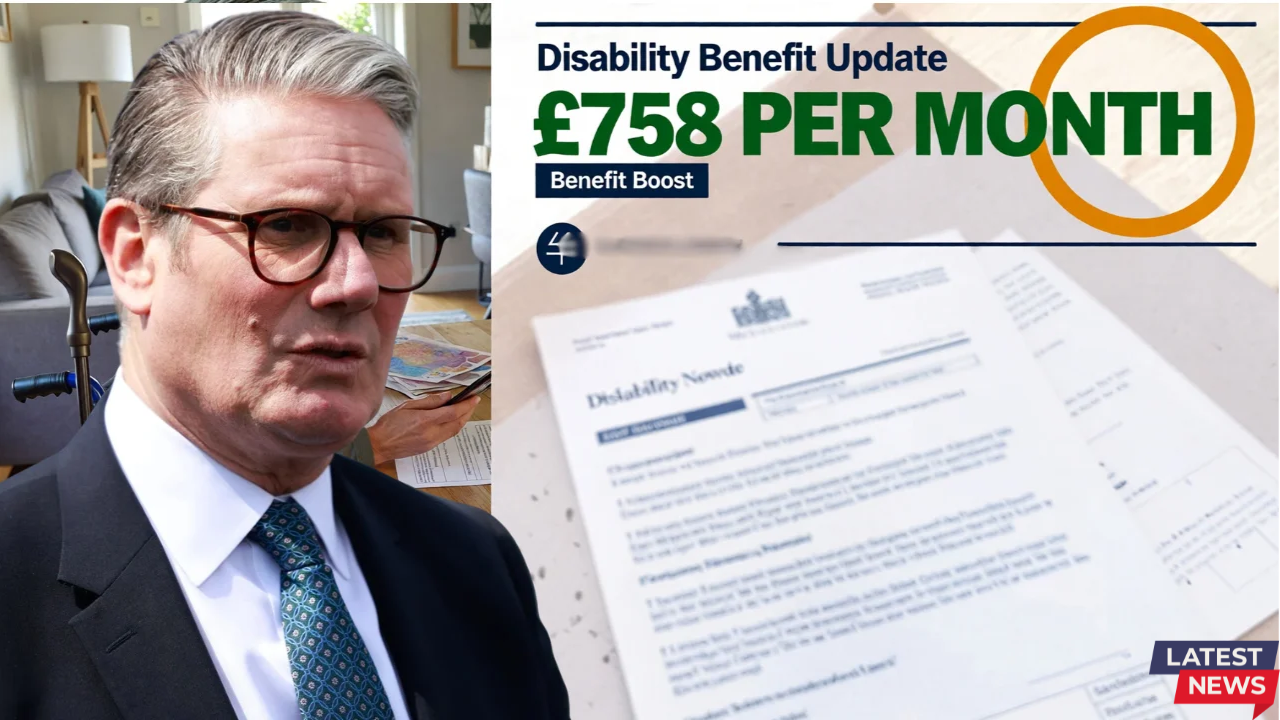
Millions of people across the United Kingdom who rely on disability benefits may see higher payments in 2026 after the Department for Work and Pensions (DWP) confirmed increases to several support programs. These adjustments are designed to help individuals cope with rising living costs and inflation.
Recent updates indicate that the maximum payments for disability benefits such as Personal Independence Payment (PIP) could reach around £758 or more per month for individuals who qualify for both enhanced components. The updated rates are part of the government’s annual benefit uprating process, which ensures benefits maintain their value as inflation rises.
For many households, these increases provide much-needed financial relief for expenses like medical care, transportation, and daily living support. UK United Kingdom news
Also Read
£325 Universal Credit Payment Confirmed for March 2026 – Check Eligibility and Payment Dates
What Is the £758 Monthly Disability Benefit Boost?
The £758 monthly amount refers to the approximate maximum payment that some recipients may receive through disability benefits, particularly through Personal Independence Payment (PIP). This payment is typically calculated over a four-week period rather than a calendar month.
PIP is a benefit designed to help people with long-term physical or mental health conditions cover the extra costs of living with a disability. It is not based on income, meaning people can receive the benefit regardless of employment status or savings.
Claimants who qualify for both the enhanced daily living and enhanced mobility components may receive the highest payment level. In 2026, the top combined rate can exceed £770 every four weeks depending on the updated rates and eligibility criteria.
Why Disability Benefits Are Increasing in 2026
Each year, the UK government adjusts many benefits based on inflation figures from the previous September. For 2026, most working-age benefits are set to rise by approximately 3.8%.
This increase affects several benefits, including:
- Personal Independence Payment (PIP)
- Disability Living Allowance (DLA)
- Attendance Allowance
- Carer’s Allowance
The purpose of this uprating is to ensure that support payments keep up with rising costs such as energy bills, groceries, and transportation. Disabled individuals often face higher living costs due to healthcare, specialized equipment, and accessibility needs.
Who Is Eligible for the Disability Benefit Boost?
Not everyone will receive the maximum payment amount. Eligibility depends on the severity of the individual’s condition and how it affects their daily life and mobility.
To qualify for PIP, applicants must meet several criteria:
- Be aged 16 or over and below State Pension age
- Have a long-term health condition or disability
- Experience difficulty with daily activities or mobility
- Expect the condition to last at least 12 months
Assessments determine whether the claimant qualifies for the standard or enhanced rates for each component.
How Much Could Claimants Receive?
The exact payment varies depending on eligibility and component rates. Typically, PIP includes two main components:
- Daily Living Component – helps with everyday activities such as cooking, dressing, or managing medication.
- Mobility Component – supports individuals who have difficulty moving around or traveling.
Each component has two levels: standard and enhanced. Claimants receiving the enhanced level for both components receive the highest payments.
For some recipients, these combined payments may total around £758 to £778 every four weeks, depending on updated rates and benefit calculations.
When Will the New Payments Start?
The updated disability benefit payments are expected to roll out during the spring of 2026 as part of the annual uprating schedule.
Because many benefits are paid every four weeks, recipients may see the new payment amounts appear in their accounts shortly after the new rates officially take effect.
Payment dates can vary depending on the benefit type, but most benefits—including PIP, Disability Living Allowance, and Employment and Support Allowance—continue to follow their regular payment schedules.
How to Check Your New Payment Amount
If you currently receive disability benefits, you do not need to apply separately for the increase. Payments are automatically adjusted once the new rates take effect.
To confirm your updated payment amount, you can:
- Review your benefit award letter
- Log into your online benefits account
- Contact the Department for Work and Pensions
- Check official government announcements
Keeping your contact information and personal details updated ensures you receive notifications about any benefit changes.
Additional Support Available for Disabled Individuals
In addition to disability benefits, the UK government offers several other programs that may help eligible individuals with living costs.
These include:
- Housing Benefit or Universal Credit housing support
- Carer’s Allowance for caregivers
- Disability premiums added to certain benefits
- Local council grants and support programs
These programs can provide additional financial support depending on an individual’s circumstances.
Final Thoughts
The £758 monthly disability benefit boost announced by the DWP represents an important step toward supporting vulnerable individuals facing rising living costs. With benefits increasing in line with inflation, many recipients will see higher payments in 2026.
While not everyone will receive the maximum payment, those eligible for enhanced rates of disability benefits such as Personal Independence Payment could receive significantly higher financial support.
If you or a family member rely on disability benefits, it is important to stay informed about rate changes and eligibility rules to ensure you receive the full support available.